
Concept V2 Rationale
Detailed analysis of design assumptions and engineering logic for the second modular housing iteration.
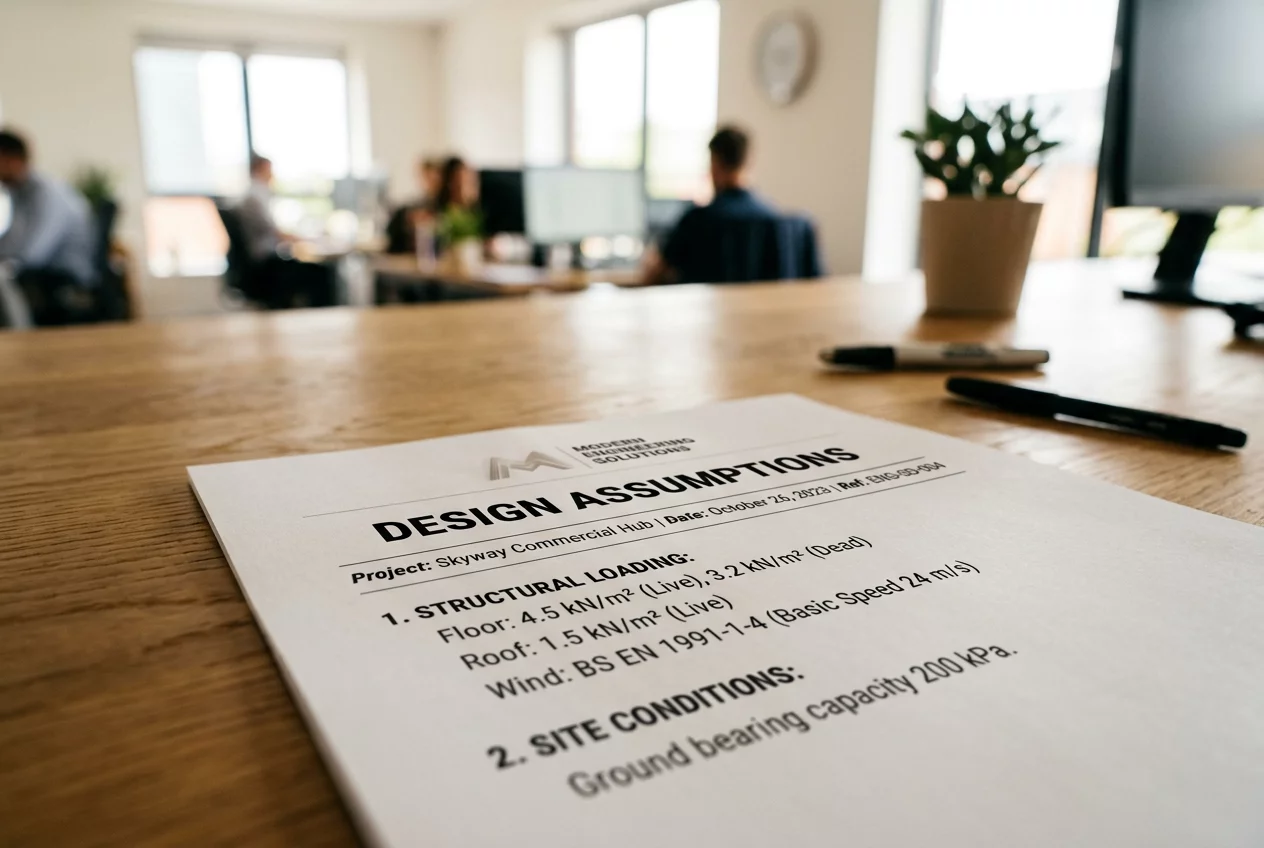
Rationale & Methodology
This document establishes the baseline for the second major design iteration, focusing on the refinement of the primary load-bearing interface. Our transition from Concept V1 was driven by preliminary testing which highlighted potential inefficiencies in material distribution and thermal dissipation during high-stress operation.
Our approach centers on maximizing material efficiency while maintaining the structural integrity required for long-term production cycles. By analyzing previous design iterations through generative design algorithms, we have identified key zones where weight reduction is possible without compromising the part's functional performance or assembly stiffness.
"Precision in documentation is as vital as precision in the manufacturing process itself. This rationale serves as the single source of truth for the design logic behind the V2 architecture."
Key Considerations
The following parameters were prioritized to ensure the V2 design meets the rigorous requirements of the upcoming production audit phase:
- Thermal expansion coefficients for high-strength aluminum alloys under cyclic loading.
- Stress distribution patterns optimized through Finite Element Analysis (FEA) to eliminate shear failure points.
- Seamless compatibility with existing robotic assembly line tooling and pick-and-place systems.
- Integration of internal lattice structures to reduce total mass by 12% without loss of rigidity.
Need further clarification?
If you have questions regarding the technical assumptions or data points used in this rationale, please discuss it with the engineering lead via the link below.
Discuss Rationale
Review Discussion
1 CommentsDesign Intent Feedback
The assumptions are clearly laid out. This provides a strong foundation for the subsequent stress tests and material selection process.
Add to Discussion