Technical Overview
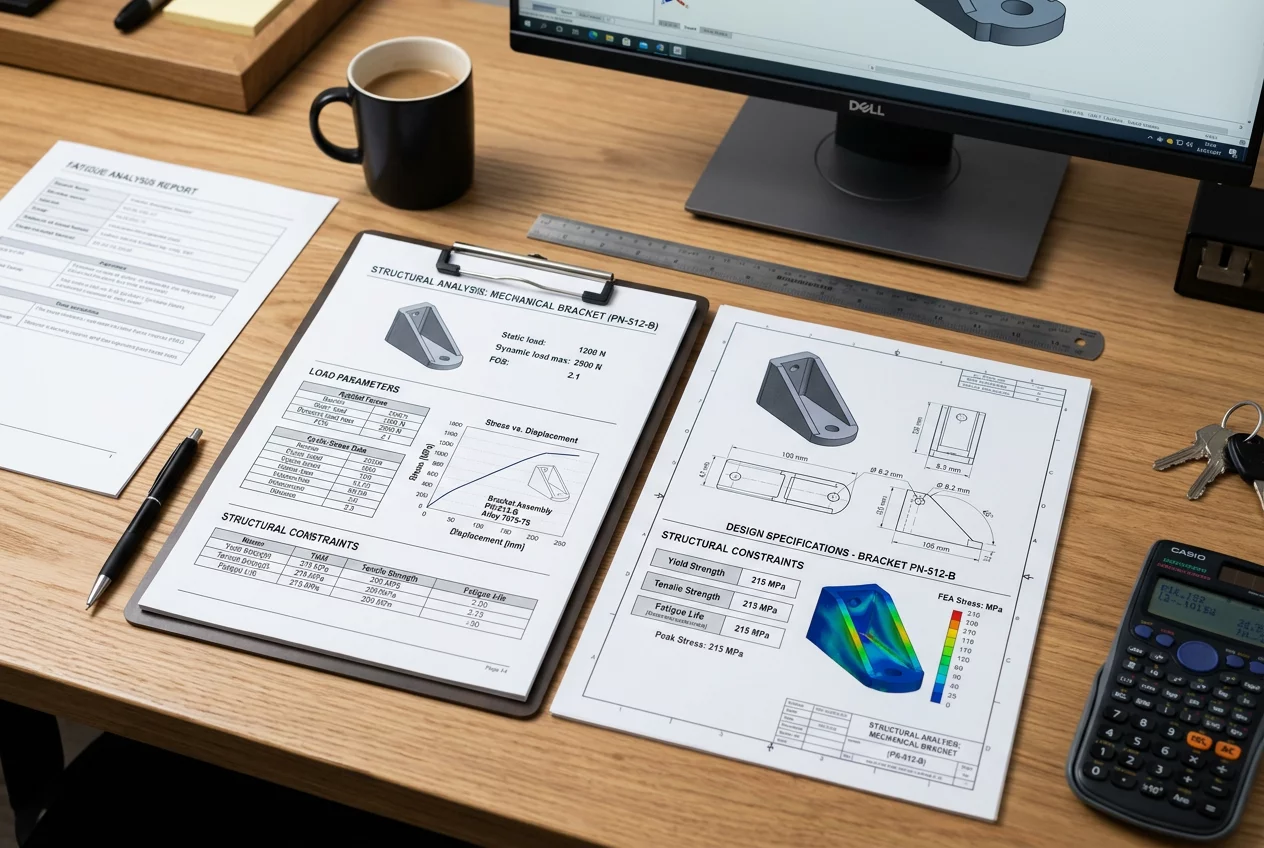
The engineering parameters defined for the Bracket series are foundational for ensuring structural stability in high-vibration environments. These brackets are designed to act as the primary load-bearing members in compact modular assemblies, where space constraints often dictate geometric optimization. Our analysis focuses on the interaction between the bracket flange and the main housing, ensuring that stress concentrations are minimized through fillet radius optimization and strategic material distribution.
In practical application, the load path must be clearly defined to avoid eccentric loading, which can significantly reduce the fatigue life of the mounting bolts and the bracket itself. The specifications provided here assume that the assembly is performed under controlled conditions with calibrated torque tools and high-tensile fasteners. Special attention must be paid to the galvanic compatibility between the bracket material and the mounting hardware, particularly in environments exposed to varying humidity or corrosive agents where stainless steel variants are preferred.
Operational Constraints
- Maximum vertical load capacity must not exceed 1200N under static conditions to maintain elastic deformation limits.
- Mounting alignment between the bracket face and the support frame must be maintained within ±0.1mm to avoid shear stress spikes.
- Operational temperature range is rated between -40°C and +120°C with a safety factor of 2.5x for structural integrity.

Revision Comments
Constraint Verification
Load parameters look accurate and have been cross-checked with the FEA results for the Al-6061 variant.
Add Engineering Note
To leave a comment, please log in to your account.